
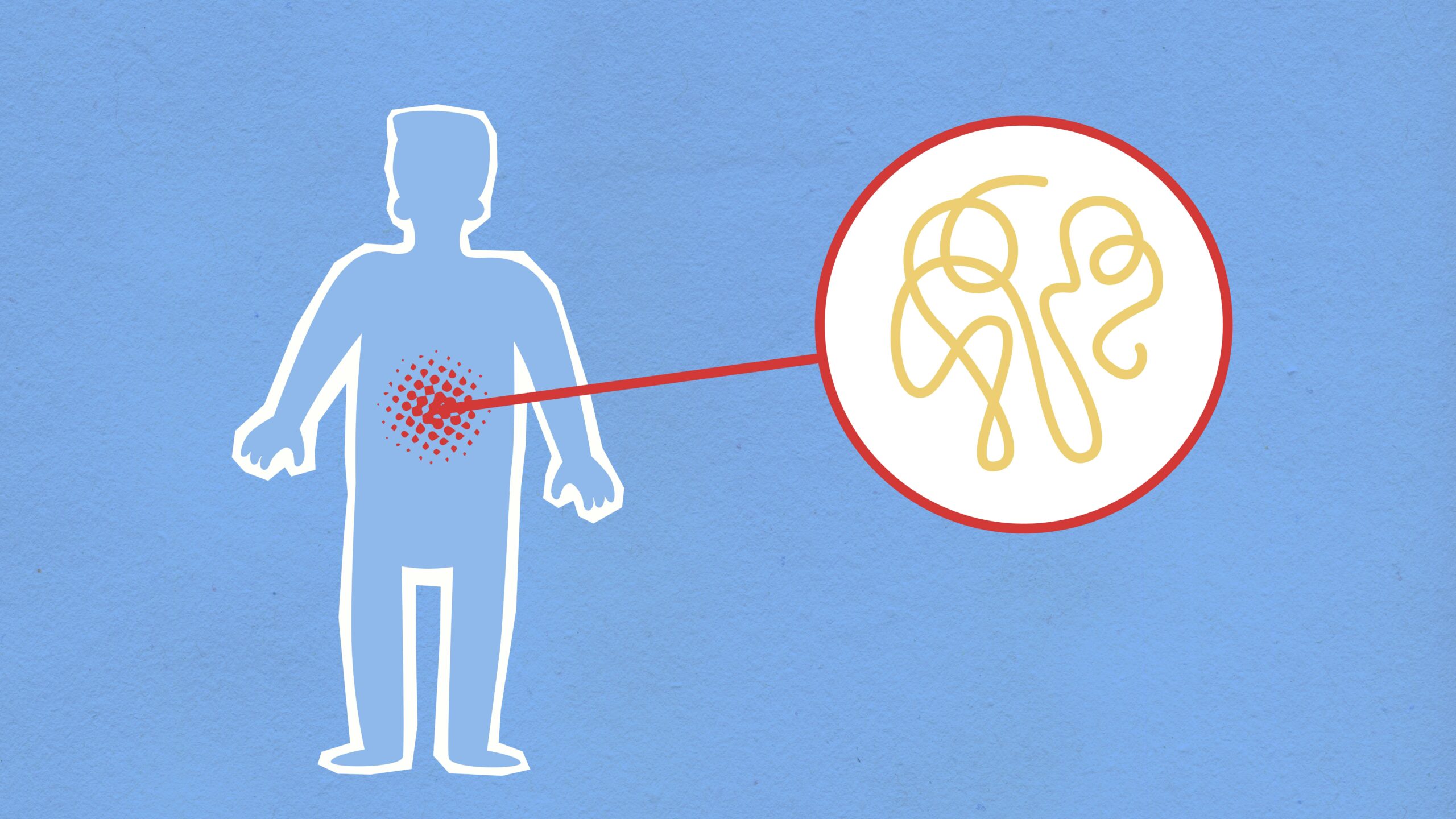
SIBO – small intestinal bacterial overgrowth – is one of the most talked-about conditions in the gut health space. It is also one of the most misunderstood. Online, it has become a catch-all explanation for bloating, fatigue, food sensitivities, and more. In clinic, the picture is more nuanced.
This guide sets out what SIBO actually is, what causes it, how it is properly tested, and – importantly – what it is not. If you have been wondering whether SIBO might be relevant to your symptoms, this is a good place to start.
In this article
- What is SIBO?
- What does the small intestine normally do?
- Why does bacterial overgrowth occur there?
- What causes SIBO?
- SIBO symptoms – what to look for
- The different types of SIBO
- How is SIBO diagnosed?
- SIBO vs IBS – are they the same thing?
- Does all bloating mean SIBO?
- What to do if you suspect SIBO
- FAQs
- Key takeaways
- Practical checklist
What is SIBO?
SIBO stands for small intestinal bacterial overgrowth. It is a condition in which bacteria – usually types that belong in the large intestine – accumulate in the small intestine in greater numbers than normal. When those bacteria interact with the food you eat, particularly fermentable carbohydrates, they produce gas. That gas causes the symptoms most commonly associated with SIBO: bloating, distension, discomfort, altered bowel habits, and in some cases, systemic effects including fatigue and nutrient depletion.
SIBO is a real, diagnosable condition. It is not a label invented by the wellness industry, and it is not simply another name for IBS. But it has become so widely referenced online that it is now routinely over-assumed – and that is causing genuine problems for people who are trying to understand and address their digestive symptoms.
What does the small intestine normally do?
The small intestine is primarily a site of digestion and nutrient absorption. Food passes from the stomach into the small intestine, where digestive enzymes and bile break it down into nutrients that are absorbed through the intestinal wall into the bloodstream. The small intestine is around six to seven metres long and does the majority of the nutritional work of digestion.
Unlike the large intestine – which is home to trillions of bacteria and is the seat of the gut microbiome – the small intestine is not meant to be heavily populated with bacteria. It has several mechanisms that keep bacterial levels low: stomach acid, bile, pancreatic enzymes, the ileocaecal valve, and a muscular sweeping action called the migrating motor complex (MMC) that clears residue between meals.
Why does bacterial overgrowth occur there?
When one or more of the small intestine’s protective mechanisms is disrupted, bacteria can accumulate. The MMC is particularly relevant here. It runs in a fasted state – between meals – sweeping bacteria and undigested residue from the small intestine into the large intestine. If the MMC is not functioning properly, bacteria are not cleared effectively. Over time, they build up.
Other factors that can contribute include low stomach acid (which reduces the hostile environment bacteria encounter on entry), structural issues such as adhesions or strictures, and certain medications – including proton pump inhibitors (PPIs), which reduce stomach acid production and are associated with an increased risk of SIBO with long-term use.
What causes SIBO?
SIBO rarely develops without an underlying reason. Understanding the root cause is important because, without addressing it, bacterial overgrowth tends to return even after successful treatment. Common contributing factors include:
- Impaired migrating motor complex function – the most frequently implicated driver, often disrupted by previous gut infections, stress, or structural changes
- Low stomach acid – whether due to age, chronic stress, or medication such as PPIs
- Previous gastrointestinal infection – post-infectious SIBO is well documented and may follow gastroenteritis
- Structural abnormalities – such as adhesions from abdominal surgery, strictures, or a dysfunctional ileocaecal valve
- Hypothyroidism – thyroid function affects gut motility, and low thyroid output is associated with slowed transit
- Coeliac disease – chronic intestinal inflammation can alter the gut environment and motility
- Diabetes – autonomic neuropathy affecting the gut is a recognised driver of motility dysfunction
- Long-term use of proton pump inhibitors – by reducing stomach acid, PPIs lower one of the key defences against bacterial accumulation in the small intestine
SIBO symptoms – what to look for
SIBO symptoms overlap significantly with other digestive conditions, which is one reason accurate diagnosis matters. The most commonly reported symptoms include:
- Bloating, particularly after eating and building progressively through the day
- Abdominal distension – visible swelling of the abdomen
- Excess gas, including belching and flatulence
- Abdominal discomfort or cramping
- Altered bowel habits – this varies depending on the type of SIBO (see below)
- Fatigue – particularly in cases where nutrient malabsorption is significant
- Nutritional deficiencies – iron, B12, fat-soluble vitamins in more significant presentations
None of these symptoms is specific to SIBO. They can all be caused by other conditions. This is why symptoms alone are not sufficient to make a diagnosis.
The different types of SIBO
SIBO is categorised by the type of gas produced by the bacteria involved. This matters because the symptom picture and the approach to management can differ.
- Hydrogen-dominant SIBO – tends to present with looser stools or diarrhoea, and is the most commonly identified type on standard breath testing
- Methane-dominant overgrowth (IMO – intestinal methanogen overgrowth) – tends to present with constipation or slowed transit. Methane is produced by archaea rather than bacteria, which is why the terminology has shifted to IMO in more recent clinical literature
- Hydrogen sulphide SIBO – associated with symptoms including diarrhoea, a sulphur-like odour to gas, and sometimes significant abdominal pain. Hydrogen sulphide is not detected on all standard breath tests, which can make this type more difficult to identify
How is SIBO diagnosed?
The most accessible diagnostic tool for SIBO is the lactulose or glucose breath test. The principle is straightforward: you consume a sugar solution and then breathe into collection tubes at regular intervals. If bacteria in the small intestine ferment the sugar, they produce hydrogen and/or methane gas, which is absorbed into the bloodstream and exhaled. Elevated levels of these gases at certain time points on the test can indicate bacterial overgrowth.
Breath testing – what it shows and what it does not
Breath testing is useful but imperfect. Several factors affect its accuracy and interpretation:
- False positives can occur – rapid intestinal transit can cause colonic bacteria to be detected before the test window closes, mimicking a SIBO pattern
- False negatives are also possible
- Preparation matters – diet and bowel preparation before the test affect results; not following the preparation protocol can lead to inaccurate findings
- Interpretation requires clinical context – a positive result does not automatically confirm SIBO as the primary driver of a person’s symptoms, and a negative result does not entirely rule it out
Gold-standard diagnosis involves direct sampling of small intestinal fluid via endoscopy, but this is invasive and not routinely available in clinical practice. Breath testing, interpreted by a practitioner who understands its limitations, remains the most practical tool.
Limitations of self-diagnosis
Symptoms alone cannot confirm SIBO. Given the degree of overlap with other conditions – IBS, coeliac disease, inflammatory bowel disease, motility disorders, and others – attempting to self-diagnose based on a symptom checklist is not reliable. It can lead to unnecessary dietary restriction, misdirected protocols, and delayed identification of what is actually driving symptoms.
SIBO vs IBS – are they the same thing?
This is one of the most common sources of confusion. SIBO and IBS are not the same condition, though they can overlap.
IBS (irritable bowel syndrome) is a functional disorder. It is defined by a pattern of symptoms – abdominal pain, bloating, and altered bowel habits – in the absence of a structural or biochemical cause that explains them. The diagnosis is made using symptom-based criteria (the Rome IV criteria) and requires appropriate investigation to exclude other conditions first.
SIBO is defined by the presence of excess bacteria in the small intestine, confirmed by testing. It is a mechanistic finding, not a symptom-based diagnosis.
Research suggests that SIBO may be present in a proportion of people with IBS – estimates vary considerably depending on the study population and diagnostic criteria used. However, not everyone with IBS has SIBO, and not everyone with SIBO meets the criteria for IBS. Treating SIBO in someone who also has IBS may improve some symptoms, but it is not a treatment for IBS itself.
Does all bloating mean SIBO?
No. This is probably the most important point in this article.
Bloating is a symptom. SIBO is one of many possible explanations for that symptom. Conflating the two – assuming that bloating means SIBO – leads to a significant amount of unnecessary restriction, misdirected protocols, and confusion.
Other common causes of bloating include:
- Constipation or slow transit – gas builds up when stool is moving slowly through the colon
- Large intestinal dysbiosis – an imbalance of bacteria in the colon rather than the small intestine
- Carbohydrate malabsorption – fructose, lactose, and other sugars that are not fully absorbed can cause gas when they reach the large intestine
- Visceral hypersensitivity – a lower pain threshold in the gut that makes normal amounts of gas feel uncomfortable and distending
- Pelvic floor dysfunction – problems with the coordinated muscle function involved in passing stool and gas
- Coeliac disease – ongoing exposure to gluten in undiagnosed or poorly managed coeliac disease can cause significant bloating
- Gastroparesis – delayed stomach emptying can cause upper abdominal bloating and discomfort
Some features of bloating may make SIBO more worth investigating: bloating that builds progressively through the day and is closely linked to eating fermentable carbohydrates, or bloating accompanied by a bowel pattern consistent with the type of SIBO described above. But these features are suggestive, not diagnostic.
What to do if you suspect SIBO
If you are experiencing persistent gut symptoms and are wondering whether SIBO might be relevant, a sensible first step is to ensure that other conditions have been appropriately considered. This typically means:
- Discussing symptoms with your GP – red flag symptoms including unintentional weight loss, blood in stool, symptoms that wake you at night, or a family history of bowel cancer or coeliac disease should always be investigated
- Ensuring that coeliac disease has been tested for – this is a blood test available through your GP
- Considering whether inflammatory bowel disease (Crohn’s or ulcerative colitis) has been excluded if symptoms are significant
- Reviewing any long-term medication use – particularly PPIs – with the prescribing clinician if symptoms persist
If other causes have been considered and symptoms remain, a practitioner-guided breath test is a reasonable next step. Working with a qualified nutritional therapist or functional medicine practitioner can help ensure the test is interpreted in the context of your full clinical picture rather than in isolation.
Frequently asked questions
Can you have SIBO without bloating?
Yes. While bloating is a commonly reported symptom, SIBO can present with other features including fatigue, nutrient deficiencies, and altered bowel habits without significant bloating. Symptoms vary depending on the type of SIBO and the individual.
Is SIBO the same as IBS?
No. IBS is a functional disorder defined by symptom criteria. SIBO is a condition defined by confirmed bacterial overgrowth in the small intestine. They can co-exist, but they are distinct conditions.
How accurate is a SIBO breath test?
Breath testing is a useful clinical tool but has limitations. False positives and false negatives are both possible. The accuracy depends on the preparation protocol followed, the type of test used, and how results are interpreted. A positive result should always be considered alongside the clinical picture.
Can SIBO go away on its own?
In some cases, SIBO may resolve without treatment, particularly if a temporary trigger such as a course of antibiotics or a short-term motility disruption was responsible. However, if an underlying driver is present and unaddressed, the overgrowth typically persists or recurs. This is why identifying and addressing root causes is central to effective management.
What is the difference between SIBO and IMO?
IMO stands for intestinal methanogen overgrowth. Methane in the gut is produced by archaea (a distinct domain of microorganism) rather than bacteria. Because the organisms involved are not strictly bacteria, the term IMO is now preferred in clinical literature for methane-dominant presentations. In practice, IMO is often grouped under the SIBO umbrella in patient-facing communications, but the distinction matters for understanding the mechanism and approach.
Key takeaways
- SIBO is a specific condition defined by excess bacteria in the small intestine – not a catch-all label for bloating or digestive symptoms
- Bloating has many potential causes; SIBO is one of several, and symptoms alone cannot confirm it
- There are different types of SIBO based on the gas produced; type affects the symptom picture and the approach to management
- Breath testing is the most accessible diagnostic tool but has real limitations and requires careful interpretation
- SIBO and IBS can co-exist but are distinct conditions; treating SIBO does not treat IBS
- There is almost always an underlying driver of SIBO; identifying and addressing it is important for preventing recurrence
- Working with a qualified practitioner to establish an accurate picture before starting a protocol is advisable
Practical checklist
If you are wondering whether SIBO might be relevant to your symptoms, work through the following:
- Track when bloating occurs – on waking, after meals, or building progressively through the day
- Note your bowel pattern and any correlation with types of food
- Check for red flag symptoms (unintentional weight loss, blood in stool, night-time symptoms) and discuss with your GP if present
- Ensure coeliac disease has been tested for before pursuing SIBO investigation
- Review any long-term medication – particularly PPIs – with the prescribing clinician if gut symptoms persist
- Seek a practitioner-guided breath test rather than self-ordering without clinical support
- Work with a qualified practitioner to identify and address any underlying driver, not just the overgrowth itself
Want help working out whether SIBO is relevant to your symptoms?
A discovery call is a good place to start. We can look at your symptom picture, history, and what a structured assessment might involve – with no obligation.
Leave a Reply