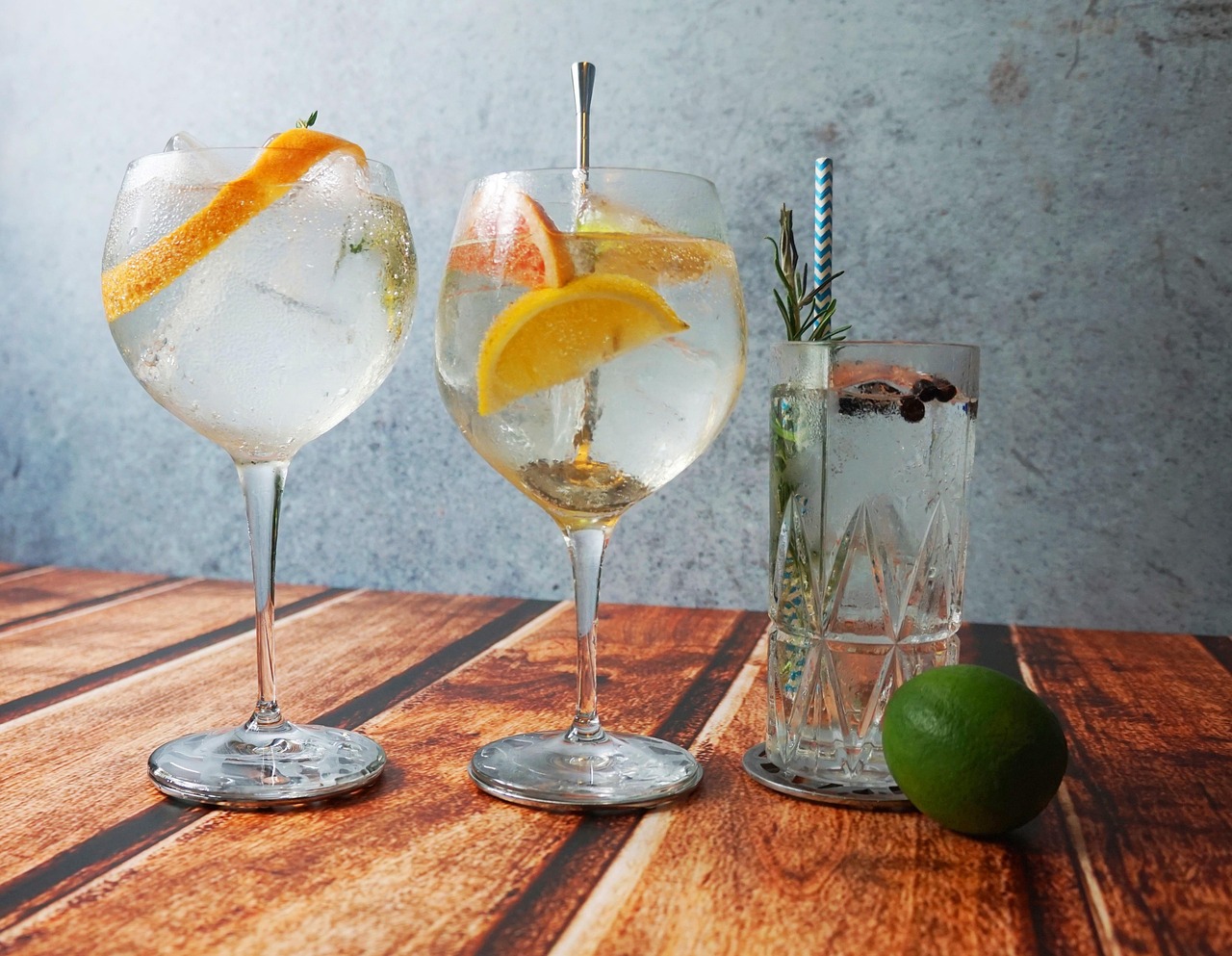
If you’re looking for the best alcohol for IBS before the work do, here’s the honest version. A measure of gin, vodka or whisky with soda and lime, or a single glass of dry wine, tends to sit better than cider, rum, sweet wine or a juice-heavy cocktail. But the drink you pick matters less than how many you have, how fast, and what else the night throws at your gut.
The short answer: clear spirits with a still or soda mixer, or one glass of dry wine, are the gentlest options for most people with IBS. Four or more drinks in a day is the point where next-day symptoms become much more likely, whatever is in the glass.
What people get wrong about drinking with IBS
The usual approach is to hunt for the safe drink. Switch to vodka, keep everything else the same, hope for the best.
Hunting for the best alcohol for IBS rarely works, for three reasons.
First, the dose. Ethanol itself irritates the gut, so a “safe” drink becomes an unsafe one somewhere around the third or fourth. Second, the timing. Most people judge a drink by how they feel that evening, but the worst of it usually arrives the next morning, which is when nobody connects it back. Third, the stacking. December rarely gives you one drink on its own. It gives you prosecco, canapés, a late curry, five hours’ sleep and a train home, then does it again on Thursday.
The best data we have points at the pattern, not the bottle. Reding and colleagues (2013) had women with IBS keep daily diaries of drinking and symptoms. Light and moderate drinking (one to three drinks a day) wasn’t clearly linked to next-day symptoms. Binge days, four or more drinks, roughly doubled the odds of diarrhoea, nausea, stomach pain and indigestion the following day. The effect was strongest in IBS with diarrhoea, and healthy controls showed no such link.
It’s one study, in women aged 18 to 48, so it isn’t the last word. It does match what I see in clinic every January.
How alcohol affects an IBS gut
A few things happen at once, which is why it’s hard to pin down.
- Faster transit, less water absorbed. Alcohol speeds movement through the small intestine and reduces how much water and sodium the gut takes back (Bode and Bode, 1997). That’s the loose, urgent morning after.
- A leakier, more reactive lining. Alcohol increases intestinal permeability and can shift the gut bacteria towards a more inflammatory mix (Bishehsari et al., 2017). If your gut is already sensitive, this turns the volume up.
- Reflux. Alcohol relaxes the valve at the top of the stomach, so heartburn and that sour, burpy feeling are common after a big night.
- Fermentable sugars. Most drinks are low FODMAP in a standard serving, but some aren’t. Monash University lists rum as high in fructose even at 30ml, along with dessert wines, port and sherry. Red wine is low at one 150ml glass but tips into excess fructose beyond that. Cider is a likely problem too.
- Gas. Beer, prosecco and fizzy mixers add carbon dioxide to a gut that may already struggle to move gas along.
- Histamine. Red wine, prosecco and some beers carry histamine, and alcohol can reduce the activity of DAO, the enzyme that breaks it down (Maintz and Novak, 2007). If red wine gives you a flushed face, a blocked nose or a headache as well as a bad gut, this is worth knowing.
- Sleep. Alcohol fragments the second half of the night. Poor sleep on its own predicts worse next-day gut symptoms in women with IBS (Buchanan et al., 2014). So the drink gets you twice.
How to drink with IBS this party season
In order of what makes the biggest difference.
- Decide your number before you arrive. Two is a sensible ceiling for most people with IBS, and staying well under four matters most, because that’s where the next-day effect shows up in the research. Decide it at home, when you’re not holding a glass.
- Eat a proper meal first. Food in the stomach slows how fast alcohol reaches the small intestine. Something with protein and some starch (chicken and rice, eggs on toast, a jacket potato) beats a bag of crisps. Don’t go heavy on fat, though, as a very rich meal is its own trigger.
- Choose the drink. Gin, vodka, whisky or tequila with soda water and fresh lime is the easiest on most guts. A single glass of dry white, red or sparkling wine is fine for many. Skip rum, cider, port, sherry, sweet wines and cocktails built on apple, mango or pear juice, or honey and agave syrups.
- Match your symptoms to the swap. Mostly bloated? Cut the bubbles: still mixer, no beer, no prosecco. Mostly loose and urgent? Volume and pace matter most. Flushing or headaches with red wine? Try a clear spirit instead.
- Pace it with water. A glass of water between each drink, and roughly one drink an hour at most. It keeps the total down without you having to think about it.
- Leave gaps between big nights. Two clear days between events gives your gut a chance to settle before the next round.
- Keep the morning after simple. Plain breakfast, plenty of fluid, and go easy on a double espresso on an empty stomach, which can push an already fast gut faster.
- Write it down for three weeks. What you drank, how much, what you ate, how you slept, and how you felt the next day. Patterns show up quickly, and they’re often not the ones you expected.
If travel is part of your December, my post on why gut symptoms flare when you travel covers the train-and-hotel side of things.
Frequently asked questions
What is the best alcohol for IBS?
Clear spirits (gin, vodka, whisky, tequila) with soda water and lime are the best tolerated for most people. A single glass of dry wine is often fine. Rum, cider, dessert wine, port and sherry are the most likely to cause problems.
Why does alcohol give me diarrhoea the next day?
Alcohol speeds up the small intestine and reduces how much water the gut absorbs, and it disrupts sleep, which makes symptoms worse on its own. In IBS, four or more drinks in a day roughly doubles the odds of next-day diarrhoea.
Is prosecco bad for IBS?
The wine itself is low FODMAP in a standard glass. The bubbles are the issue if bloating is your main symptom, and prosecco also contains some histamine.
Are alcohol-free drinks better for IBS?
Usually, as you remove the ethanol. Alcohol-free beer is still fizzy, though, and some alcohol-free spirits and mixers are sweetened, so check the label for fruit juice, honey or sweeteners ending in “-ol”.
When it’s more than a few drinks
If you’ve cut right back and your gut still reacts badly to one glass, the drink probably isn’t the whole story. A gut that can’t tolerate a small amount of alcohol is often a gut that’s already irritated for other reasons, whether that’s low stomach acid, bacterial overgrowth, histamine or slow motility. Working out which is what I do with clients on my IBS programme. If you’d like to talk it through before Christmas, book a free 30-minute call.
References
- Bishehsari F, Magno E, Swanson G, et al. (2017). Alcohol and gut-derived inflammation. Alcohol Research: Current Reviews, 38(2), 163-171.
- Bode C, Bode JC (1997). Alcohol’s role in gastrointestinal tract disorders. Alcohol Health and Research World, 21(1), 76-83.
- Buchanan DT, Cain K, Heitkemper M, et al. (2014). Sleep measures predict next-day symptoms in women with irritable bowel syndrome. Journal of Clinical Sleep Medicine, 10(9), 1003-1009.
- Maintz L, Novak N (2007). Histamine and histamine intolerance. American Journal of Clinical Nutrition, 85(5), 1185-1196.
- Monash University FODMAP Diet app: serving data for beer, wine, spirits and rum (accessed November 2026).
- NICE (2008, updated 2017). Irritable bowel syndrome in adults: diagnosis and management. Clinical guideline CG61.
- Reding KW, Cain KC, Jarrett ME, Eugenio MD, Heitkemper MM (2013). Relationship between patterns of alcohol consumption and gastrointestinal symptoms among patients with irritable bowel syndrome. American Journal of Gastroenterology, 108(2), 270-276.
Leave a Reply